Emerging Event Planning Trends in Bend, Oregon
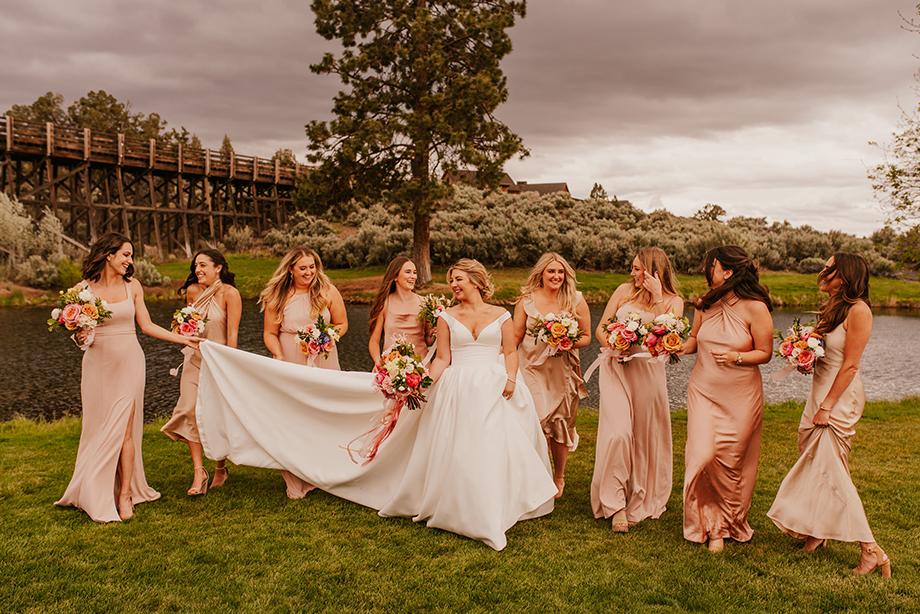
Central Oregon has long been a dream destination for weddings, corporate retreats, and milestone celebrations, but the landscape of event design in Bend is evolving fast. Looking ahead to 2027, event planning is shifting toward sustainable high-desert aesthetics, immersive outdoor setups, and organic, nature-inspired design. Hosts are moving away from overly rigid formal setups in favor of warm, inviting environments that complement Bend’s natural backdrop. Expect to see an increase in large, open tents with translucent strips that let natural light filter through during golden hour, paired with hand-crafted wooden farm tables, low-profile lounge seating, and textured earthy linens. Additionally, eco-conscious planning is moving from a nice-to-have to a central standard—planners are prioritizing zero-waste catering setups, reusable glass and flatware, and locally sourced decor that leaves a minimal footprint on our high-desert ecosystem.
Key Insights for Successful Events
Planning a seamless event in Bend requires balancing high design with the realities of Central Oregon’s unique environment. Here are the essential strategies every host needs for success in 2027:
- Plan for High-Desert Microclimates: Bend’s weather is famously unpredictable—sunny and 85°F at 3 PM can easily turn into a crisp 45°F evening with gusty mountain winds. Always incorporate sturdy tenting with removable sidewalls, and budget for outdoor heat lamps or patio fire features to keep guests comfortable after sunset.
- Design for Intuitive Layout Flow: A great event feels effortless to navigate. Position high-traffic areas like bar setups, cocktail tables, and dance floors to encourage natural movement without creating bottlenecks near dining tables or restrooms.
- Lock In Logistics & Permits Early: Venues and rental equipment across Bend, Sunriver, and Sisters book out far in advance for peak summer and autumn weekends. Coordinate delivery schedules, site inspections, and local park permits well ahead of time to avoid last-minute stress.
- Mix Classic Structures with Custom Accents: Instead of trying to source every item individually, build a solid base with high-quality core rentals—like clean dining chairs, level staging, and structured lighting—then layer in personalized arbors, signages, and specialty lounge rentals to make the space distinctly yours.
Adapting to Changing Audience Preferences
Today’s event guests—whether local residents or destination visitors—expect more than just a sit-down dinner; they are looking for interactive, memorable, and personalized Central Oregon experiences. In 2027, successfully catering to these shifting preferences means focusing on versatility and guest comfort:
- Modular & Mixed Seating Environments: Traditional fixed seating is giving way to dynamic layouts. Hosts are pairing standard family-style dining tables with cozy, residential-inspired lounge clusters, velvet sofas, and high-top cocktail tables so guests can naturally move around and socialize throughout the event.
- Interactive Food & Beverage Stations: Formal plated meals are often swapped for experiential dining—think interactive craft cocktail bars featuring local Central Oregon spirits, farm-to-table grazing tables, and late-night food truck setups framed with bistro lighting.
Preparing for Seasonal Challenges in Bend
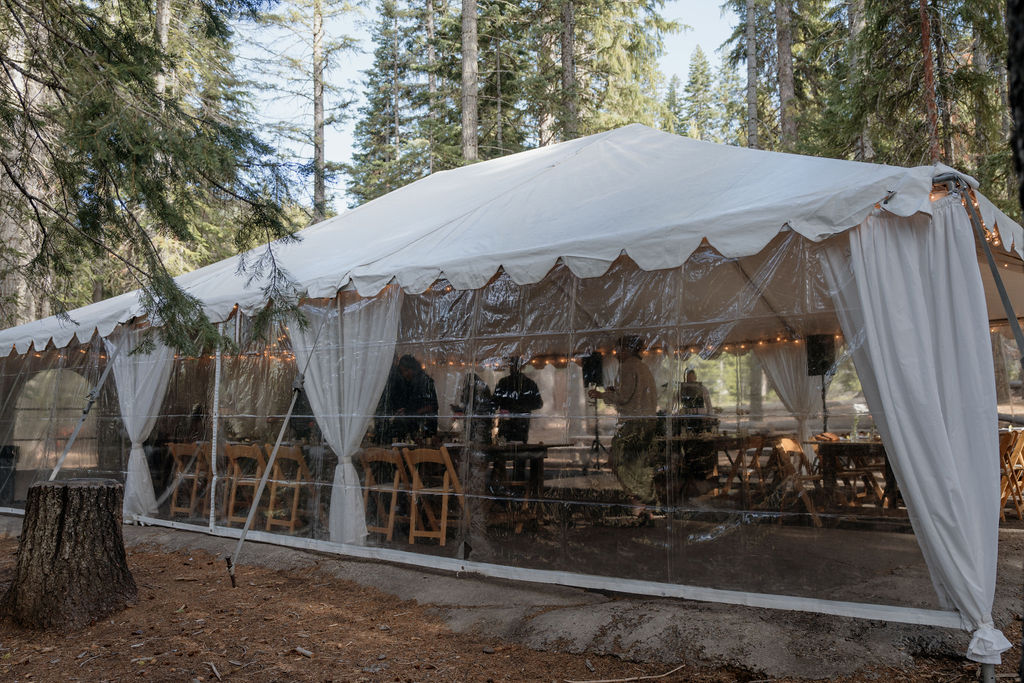
Organizing an outdoor event in Central Oregon means working hand-in-hand with the elements. From shoulder-season snow flurries to late-summer wildfire smoke, smart planning requires robust contingencies:
- Spring & Early Summer (May – June): Spring in the high desert brings dramatic temperature swings. A bright 70°F afternoon can swiftly give way to unexpected rain or mountain gusts. High-peak frame or pole tents with clear vinyl sidewalls are a non-negotiable insurance policy to seal in warmth while preserving mountain views.
- Peak Summer (July – August): Mid-summer heat can be intense, especially during afternoon ceremonies. Priorities should include shaded canopy structures, misting systems, and adequate power infrastructure to run commercial-grade cooling fans.
- Wildfire & Smoke Contingencies: Late summer often introduces air quality variables across the Pacific Northwest. Planners should establish a solid “Plan B” by securing enclosed tenting options that can accommodate all guests or selecting venues with indoor-outdoor flexibility.
- Autumn & Winter (September – November): Crisp fall weather makes for breathtaking backdrops, but early dusk and plummeting night temperatures require early planning. Ensure your equipment list includes heavy-duty patio heaters, perimeter ambient lighting, and insulated tent flooring to keep cold ground temperatures at bay.
Pro Tip for 2027 Planners: When choosing tent sidewalls, opt for clear or windowed panels to showcase Central Oregon’s beauty and allow nature in. Clear walls and ceiling strips are stunning for crisp evening celebrations to catch nighttime views under the stars!

 Under the Canopy: 5 Secrets for Successful Bend Oregon Event Planning
Leave a Reply